Most people choose an auto body shop right after an accident, when they are stressed and in a hurry. That is when a bad choice gets expensive. In California you have the right to choose your own repair shop. An insurer can suggest a shop, but it cannot require you to use it. Here is what we tell friends and family in Milpitas and San Jose to check before they hand over their keys.
1. Check the California License First
Every auto body shop in California must be registered with the Bureau of Automotive Repair. Ask for the registration number and confirm it matches the business name on the estimate. The number should also appear on the shop signage, the estimate, and the invoice. If a shop cannot give you a number, or the name does not match, keep looking. It takes two minutes to check and it tells you the shop is operating under state rules for estimates, authorization, and invoices.
2. Read Recent Reviews, Not Just the Star Rating
A high rating matters, but the pattern in recent reviews matters more. Look for comments about communication, whether the car was ready when promised, and how the shop handled a problem. Every shop has a job that goes sideways. The difference is whether they called early, explained what changed, and made it right. Be cautious with very few reviews, or no response to a negative review.
3. Get a Written, Itemized Estimate
A good estimate is written by procedure, not as one vague total. You should be able to see the labor, the parts, the paint and materials, and any safety procedures such as a pre-scan, a post-scan, or ADAS calibration when the manufacturer requires it. In California, a shop needs your authorization before it starts work, and it needs added authorization if the cost will go above the approved amount. If the estimate is just a number on a business card, ask for the itemized version before you agree to anything.
4. Ask What Parts Will Go on Your Car
Ask plainly: OEM, aftermarket, or recycled, and why. OEM means the part made by your carmaker. Aftermarket and recycled parts can be the right, cost-effective call in some places, and the wrong call in others, especially for safety parts, sensors, and panels that must fit precisely. You should know what is going on the car before work starts, not at pickup. A straight shop will show you the choice on the estimate and explain the tradeoff.
5. Ask About the Warranty in Writing
Get the warranty in writing and read what it actually covers. At most good shops it covers failures in the shop workmanship, including paint defects caused by the repair itself. It does not usually cover new damage, normal wear, or paint damage caused by leaving things like bird droppings or tree sap sitting on fresh paint. Ask how long the coverage lasts, whether it is in writing on the final invoice, and what you need to do if something fails. If a shop promises a lifetime warranty on everything with no conditions, ask for that promise in writing too.
6. Ask How They Handle Safety Systems
Modern cars rely on cameras and radar for lane keeping, automatic braking, blind-spot monitoring, and adaptive cruise control. A bumper, windshield, suspension, or structural repair can disturb those systems even when the car looks perfect. Ask whether the shop checks the manufacturer procedure for your vehicle, does pre-scans and post-scans, and documents any required calibration. The answer should be specific to your car.
7. Ask About Timeline, Updates, and a Rental
A realistic timeline is a range with a reason: parts availability, insurer approval, hidden damage found after teardown, and paint and calibration time. As a typical guide, minor bumper work often takes 1 to 3 days, a moderate collision repair often takes about a week, and larger structural work can take 2 weeks or more once parts and approvals are counted. Those are approximate ranges, not promises. More important than the first date a shop quotes is how they update you when it changes. Ask who will contact you, how often, and whether they can help you arrange a rental if your policy covers one.
Red Flags That Should Stop You
- The shop will not put the estimate or warranty in writing.
- You are pushed to decide on the spot, or told not to talk to your insurer.
- The shop offers to bury, erase, or structure a discount around your deductible.
- There is no clear answer about parts, scans, or calibration for your specific car.
- The final bill is higher than the authorized amount and nobody called you first.
The Bottom Line for Milpitas and San Jose Drivers
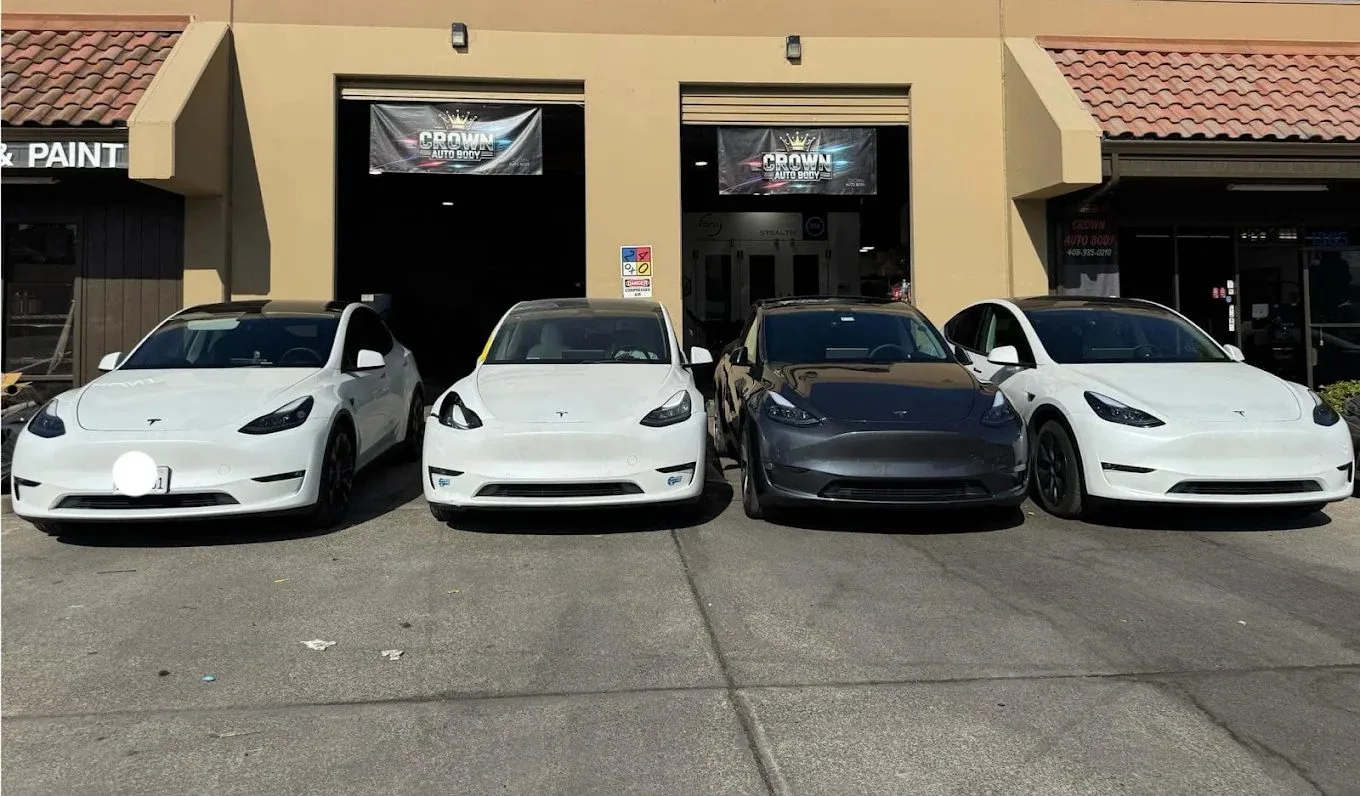
Choose the shop that answers these seven checks with paperwork, not just a promise: a valid registration, reviews that show good communication, an itemized estimate, a clear parts plan, a written warranty, documented safety checks, and a realistic timeline. At Crown Auto Body, at 1365 Minnis Cir in Milpitas, we will walk through every item before work starts. Want a second opinion on an estimate you already have? Call or text us for a straight read on it.