Almost every week at Crown Auto Body in Milpitas, a customer points at a door ding or a creased fender and asks the same question: "Can that just be popped out?" Sometimes, yes, and that is the most cost-effective, fastest fix there is. Sometimes, no, and trying to pop it out would leave you with cracked paint and a worse problem. The difference is paintless dent repair (PDR) versus traditional dent repair. Here is how each one works, and how we decide.
The Quick Answer
Choose PDR when the paint is intact, the dent is shallow, and the metal is not sharply creased: think door dings, shopping-cart dents, and most hail damage. Choose traditional repair when the paint is cracked or chipped, the dent is deep or sharp, the metal is stretched, or the damage sits on a panel edge or body line that paintless tools cannot restore cleanly. Everything below follows from those three checks: paint, depth, and shape.
What Is Paintless Dent Repair?
A technician works the dent out from behind the panel with specialized rods, reading the metal under reflection lighting and easing it back into shape a little at a time. Glue-pulling from the front is used where the back of the panel cannot be reached. Nothing is sanded, filled, or repainted, so your factory paint stays factory, which matters for resale, because original paint is hard to duplicate perfectly.
The limits are just as clear. PDR cannot fix broken paint, because the coating is already damaged and will keep lifting if it is flexed. It struggles with sharp creases, dents on a hard edge or double-walled panel, and metal that has been stretched by a harder hit. A good technician will tell you up front if a dent is only a partial PDR candidate. Some come out to about 80–90% and look fine at a glance, but not perfect up close.
What Is Traditional Dent Repair?
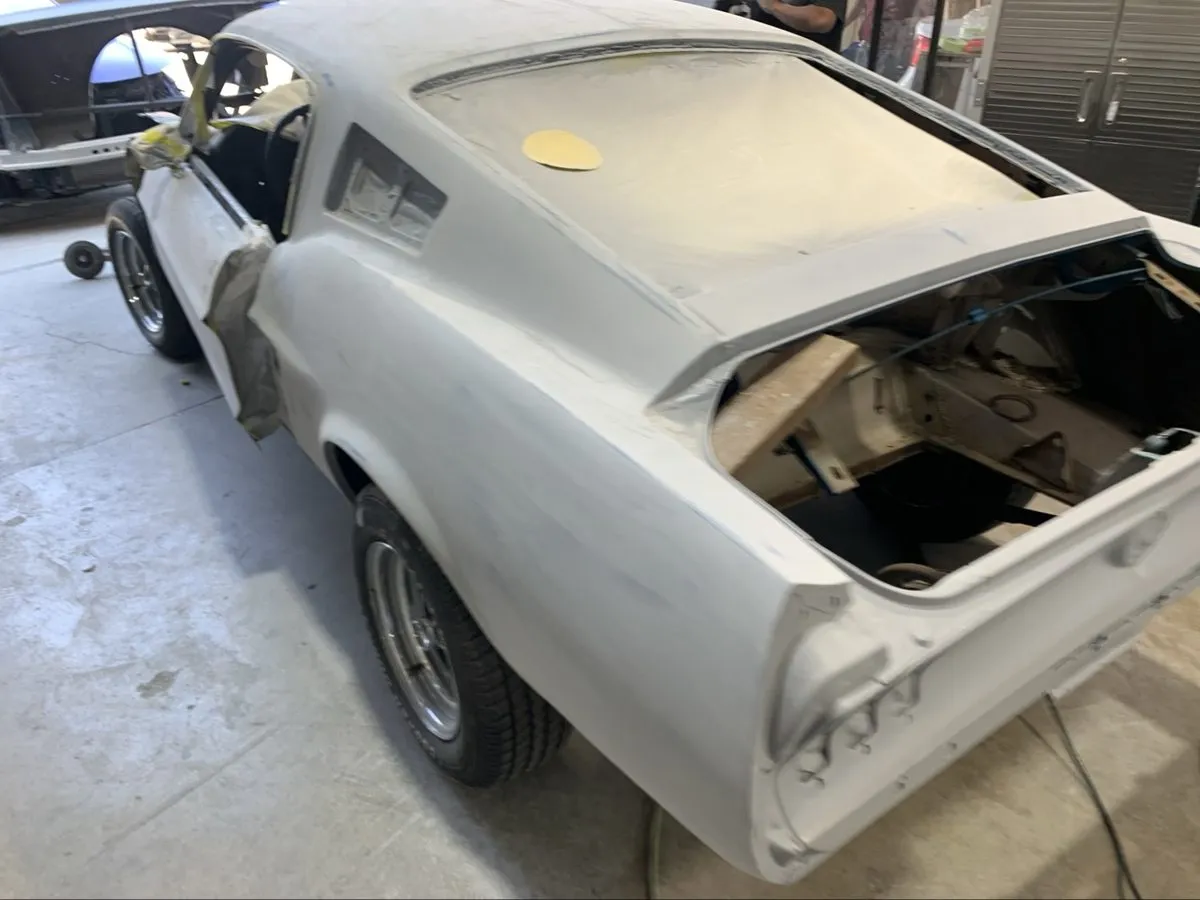
Traditional repair straightens the metal first, then restores the surface: prep, prime, refinish the panel, and blend into neighboring panels when the color demands it. That is real bodywork and paint, done in the booth. It takes longer and costs more than PDR, but it is the only correct fix once paint is broken. Cracked paint lets moisture under the coating, and in time that becomes rust and peeling, not just a cosmetic flaw.
Traditional repair is also the right call for larger collision dents, torn or stretched metal, and damage near sensors or mounting points where the panel may need to come off and everything behind it needs checking, not just the dent you can see.
Side by Side
- Paint: PDR keeps your factory paint untouched. Traditional repair repaints the repaired panel and blends as needed.
- Typical cost (approximate): A single small PDR ding often falls in the $75–$250 range; larger or harder-to-reach PDR dents can run $250–$500 or more. A traditional single-panel repair with paint commonly runs roughly $400–$900 or more, depending on size, location, and blending. These are typical planning ranges, not quotes: size, depth, access, and paint color move the real number.
- Typical timeline: Many PDR repairs are finished the same day. Traditional repairs usually need 2–4 days for one panel, because prep, spraying, and curing cannot be rushed.
- Best for: PDR: door dings, minor parking-lot dents, and hail. Traditional: cracked paint, deep creases, stretched metal, and collision damage.
- Insurance: For one small dent, paying out of pocket usually makes more sense than a claim, because the repair often costs less than a typical deductible. Hail is the exception, with dozens of dents across several panels, a comprehensive claim is often worth filing, and we work with all insurance companies.
A Note on Hail and Multi-Dent Damage
Hail looks terrible and is often the best PDR case of all: dozens of small, shallow dents with intact paint, spread across the roof, hood, and trunk. Pricing there is per panel and by dent count and size, not per dent, so do not multiply a single-ding price by fifty. Bring the car in and we will document every panel and give you one scope for the whole car, and tell you honestly if a claim makes sense before you call your insurer.
The Bottom Line for Milpitas and San Jose Drivers
Run your fingernail lightly over the dent. If the paint is smooth and unbroken and the dent is shallow, ask about PDR first: it is faster, more cost-effective, and keeps your factory finish. If the paint is cracked, the crease is sharp, or the panel feels stretched, you need traditional repair, and delaying it risks rust under the break. At Crown Auto Body, 1365 Minnis Cir in Milpitas, we do both, and we will not sell you paint work when paintless repair will do. Text photos of your dent to 408-935-0210 and we will tell you which repair your dent actually needs, free.